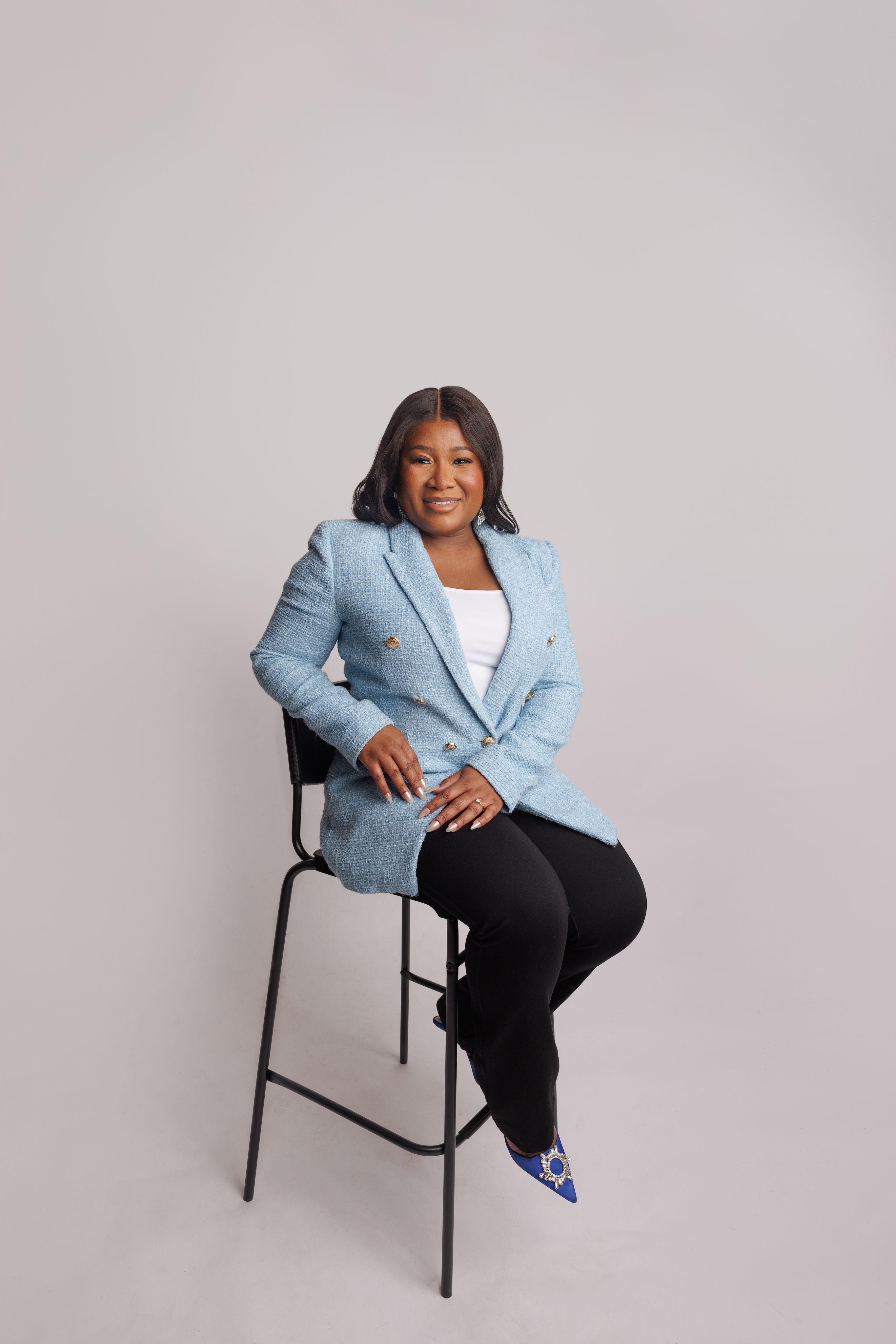
I studied physics and mathematics at Queen's University, which gave me an early appreciation for something most people learn much later: the difference between a model and reality. A model is always a simplification. The question is whether the simplification is good enough to be useful, and whether the people using it understand its limits.
That question has followed me through every role I have held since.
Before data, I worked in finance and accounting. That background shaped something I have never lost: the instinct to ask what a number is actually supposed to do for the person looking at it. Not what it says. What it is supposed to do. That distinction turns out to matter enormously in data and AI work, where the gap between a technically correct output and a genuinely useful one is where most initiatives quietly fail.
That instinct is what drew me toward data in the first place. I wanted to be on the side of the table where the numbers were built, not just received.
My career in data started at Microsoft, where I worked inside partner incentive programs, untangling data problems that were costing partners time and the business credibility. I learned there how to translate complex technical findings into language that moved decisions at the executive level.
From Microsoft I moved into the public sector, joining the Early Years and Child Care unit at the Ontario Ministry of Education. The mandate was specific: help government leaders allocate early childhood funding more effectively. That meant building machine learning models to identify optimization opportunities in how funding was distributed, and automating the manual reporting processes that were consuming the time of people who should have been focused on program outcomes, not spreadsheets. Fifty-plus BI products deployed to deputy ministers and executive leadership. Budget and policy decisions informed by evidence rather than instinct. And a clear lesson I carried forward: the most valuable thing data work can do for a leader is give them back their attention.
KPMG brought a different scale of challenge. I built and led the analytics function inside the Marketing and Communications division, taking over 100 static reports and consolidating them into governed, dynamic BI platforms that saved the organization $500K annually. Then I moved into the Audit Centre of Excellence, where the work shifted to data governance frameworks, AI-enabled audit tools, and advising C-suite stakeholders on analytics transformation in one of the most regulated environments in the country.
That work reinforced something I had started to believe earlier: data and AI initiatives fail far more often because of organizational and governance gaps than because of technical ones.
That belief is now central to everything I do.